by admin | Oct 22, 2026 | Commercial Masking, Industrial Coatings, Manufacturing Solutions, OEM Manufacturing, Powder Coatings, Serving NC, Serving SC, Serving VA, Surface Preparations
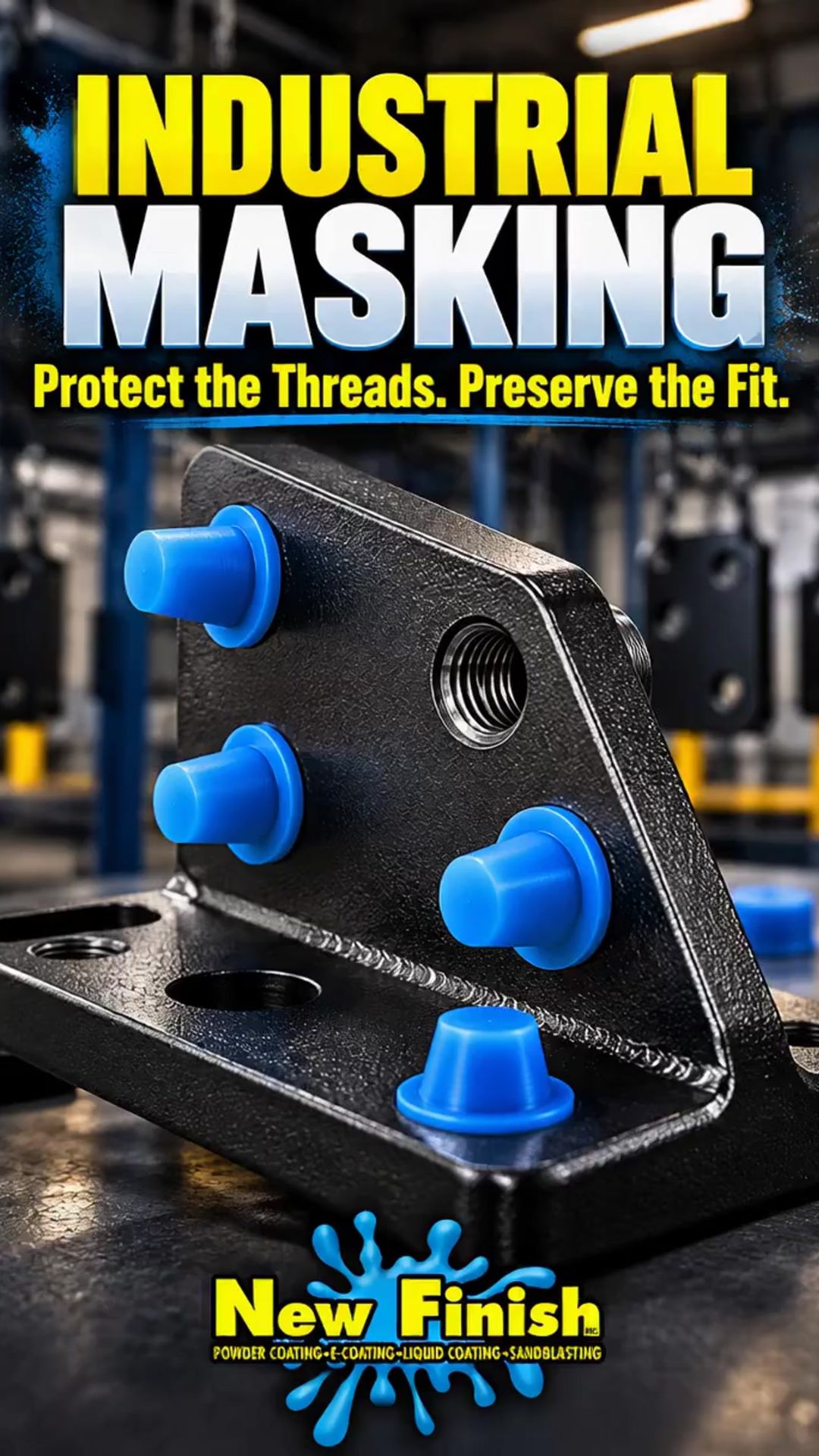
Industrial coating can protect a metal component and improve its appearance, but some features must meet specific requirements after finishing. Threads may need to remain clear for assembly. Mating surfaces may need a defined coating boundary. Electrical contact...
by admin | Oct 20, 2026 | Industrial Coatings, Powder Coatings, Serving NC, Serving SC, Serving VA
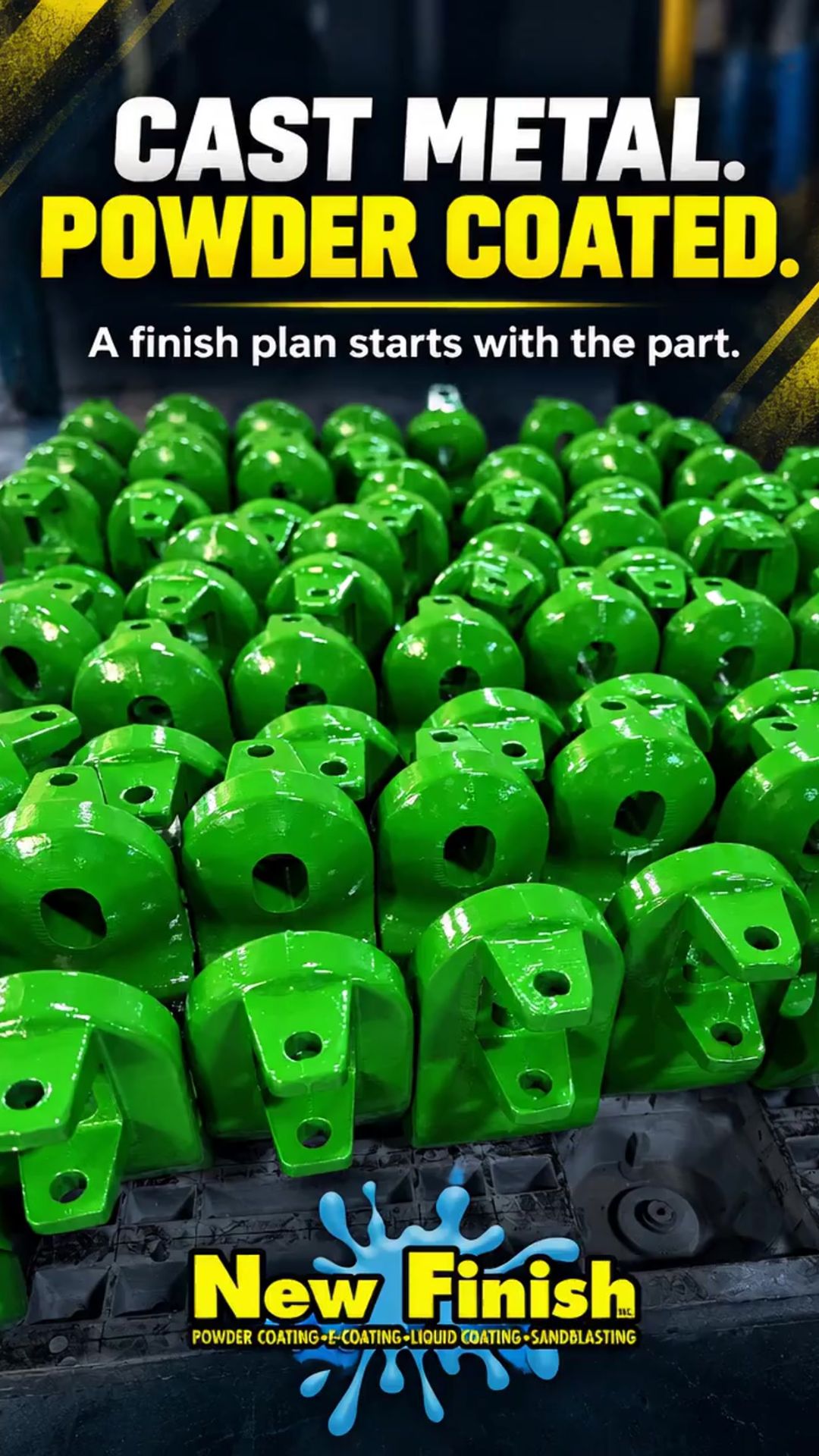
Cast metal components can be strong, detailed, and well suited to demanding products. Before powder coating cast metal parts, however, manufacturers should share information about the substrate and its condition with their coating partner. Some castings may contain...
by admin | Oct 13, 2026 | Commercial Masking, E Coating Services, Industrial Coatings, Liquid Coatings, Manufacturing Solutions, Metal Coatings, Powder Coaters, Powder Coatings, Serving NC, Serving SC, Serving VA, Surface Preparations
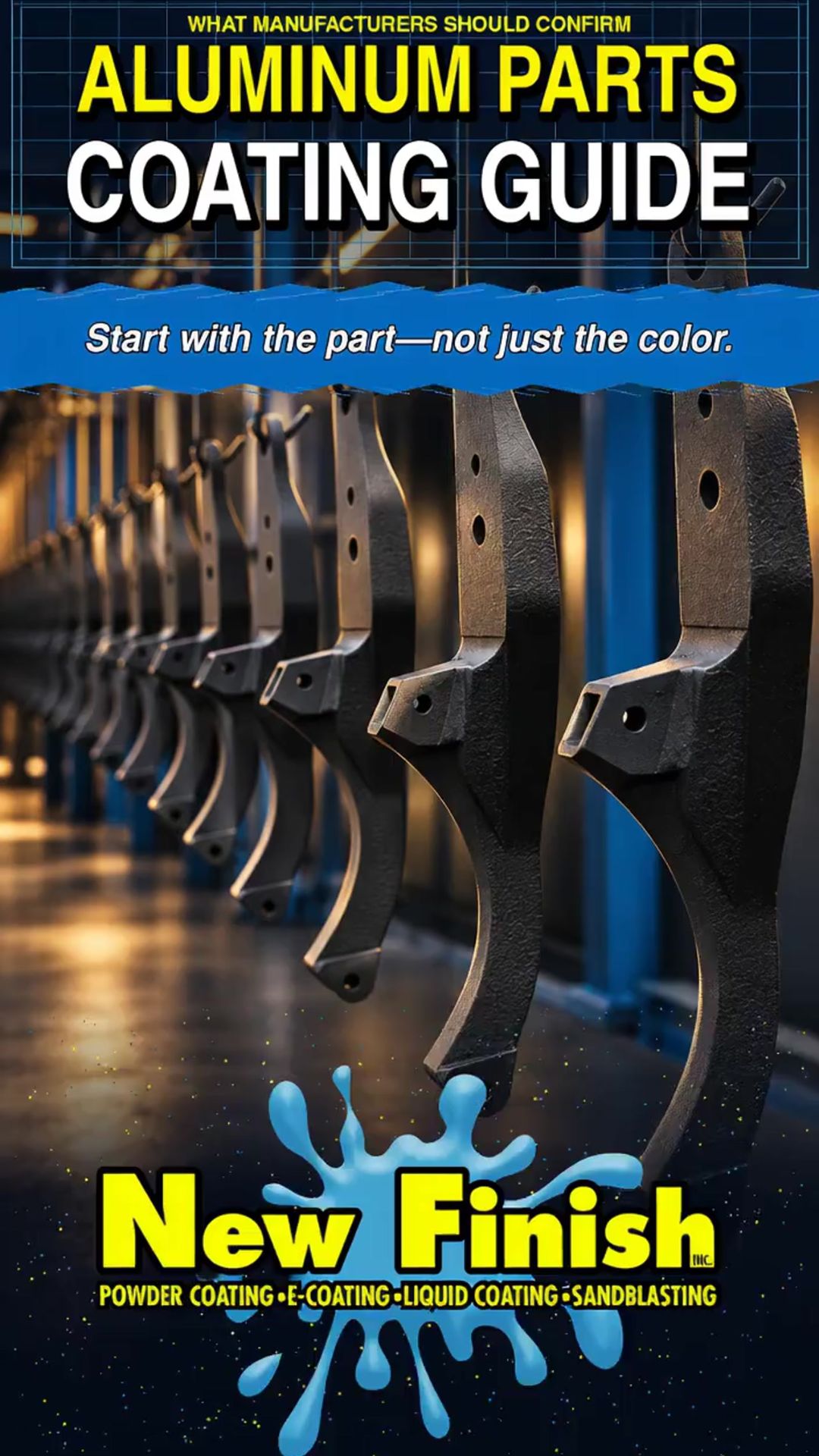
Aluminum parts are used in equipment, enclosures, frames, housings, and many other manufactured products. When a component needs a protective or decorative finish, the coating plan should account for the actual part—not just the color or coating name on a purchase...
by admin | Oct 6, 2026 | E Coating Services, Industrial Coatings, Liquid Coatings, Manufacturing Solutions, Powder Coatings, Quality Control, Serving NC, Serving SC, Serving VA
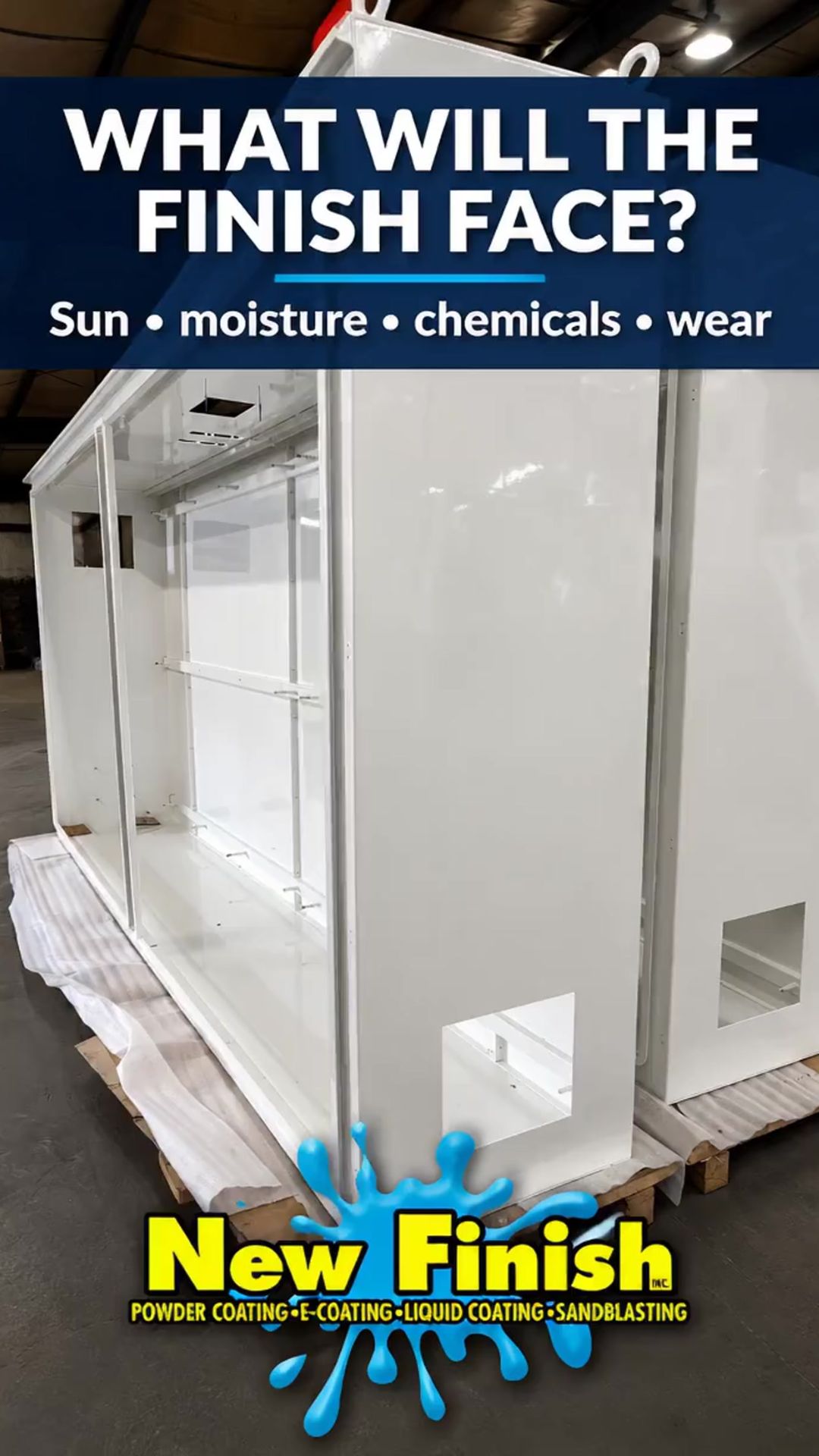
A coated part has to perform in the conditions it will actually face—not just look right when it leaves the production floor. Moisture, sunlight, chemicals, temperature changes, and everyday handling can all affect how a finish performs over time. That is why...
by admin | Sep 29, 2026 | E Coating Services, Manufacturing Solutions, Powder Coatings, Quality Control, Serving NC, Serving SC, Serving VA
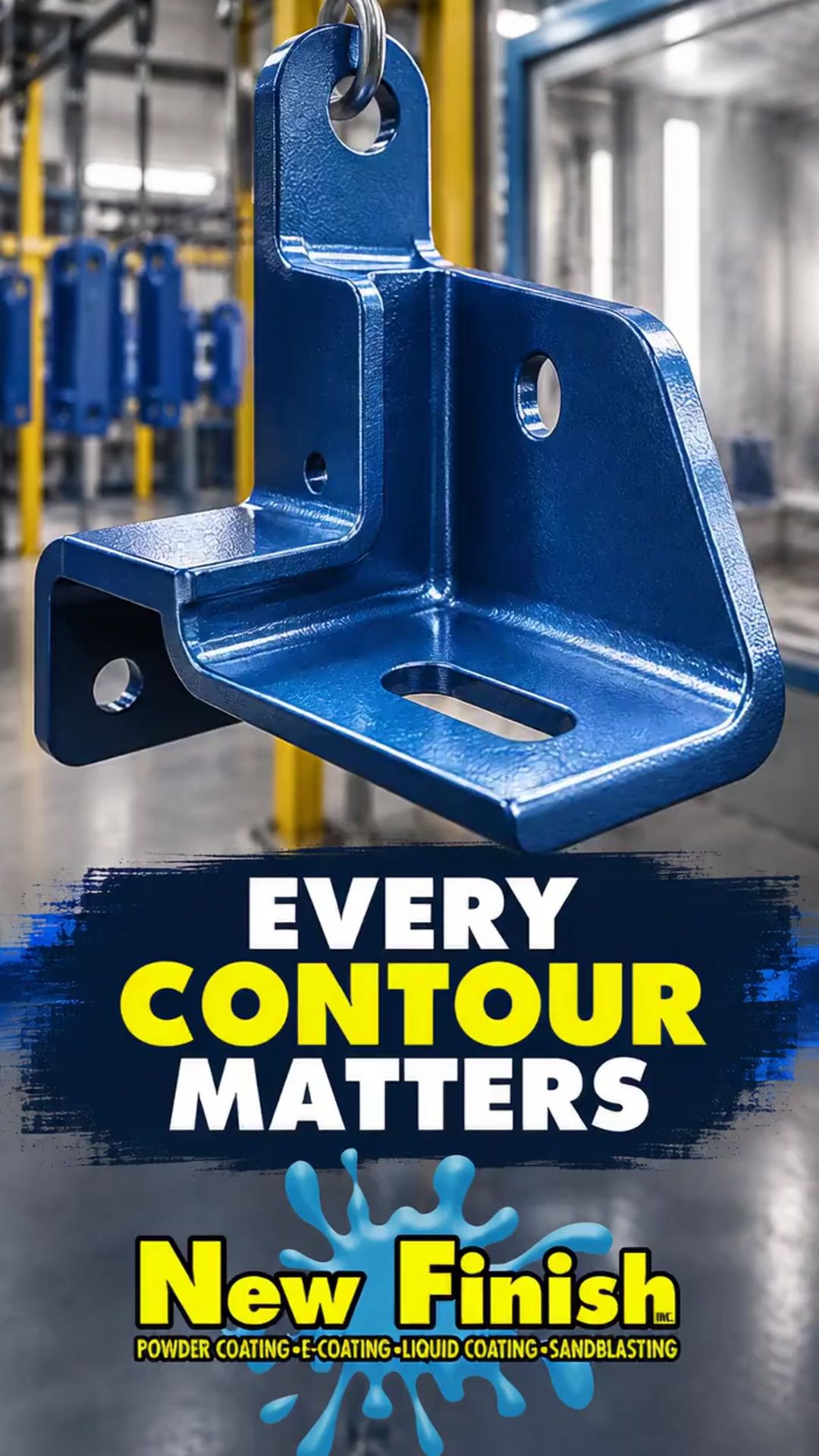
Metal parts don’t always have simple, flat surfaces. Brackets, housings, frames, and fabricated assemblies may include deep recesses, narrow channels, inside corners, and overlapping features. These details can affect how a coating reaches the part and where it builds...
by admin | Sep 15, 2026 | Class A Finish, Industrial Coatings, Liquid Coatings, Manufacturing Solutions, OEM Manufacturing, Powder Coatings, Quality Control, Serving NC, Serving SC, Serving VA
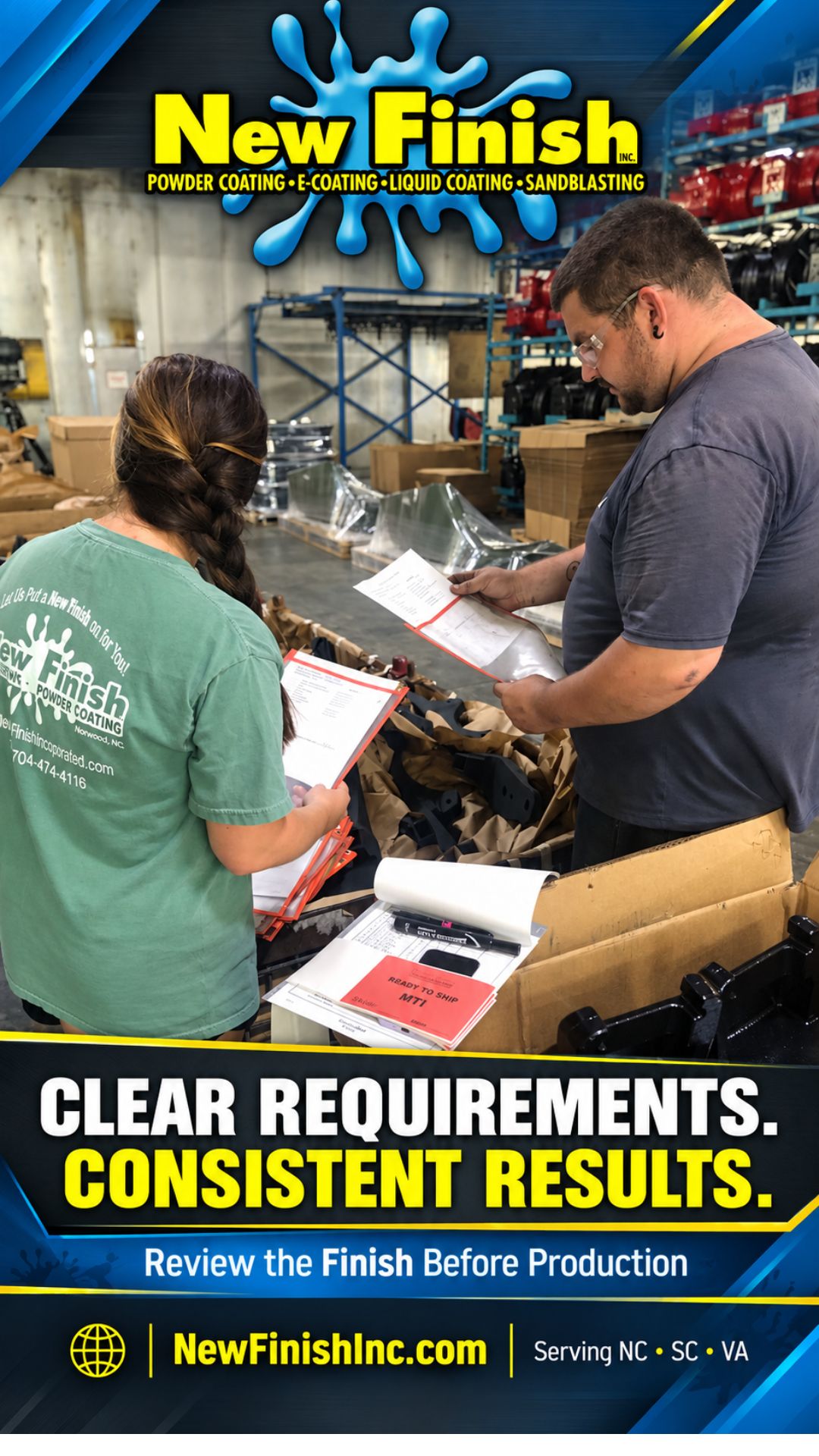
Before a large quantity of metal parts moves through the finishing process, manufacturers need confidence that the completed coating will meet their requirements. Industrial coating approval samples can help manufacturers evaluate important details before full...