COMMERCIAL
masking
Services
The purpose of masking is to apply protective coatings to specific areas of commercial products while masking or covering other parts to prevent those areas from being coated. This helps ensure that coatings, such as paints, adhesives, sealants, or specialty coatings, are applied precisely where they’re needed, while keeping other areas unaffected.
About The Process
Masking Preparation:
Skilled technicians carefully apply masking materials like tapes, films, plugs, or other solutions to cover these areas. The masking materials are selected based on factors like the type of coating, the material of the object being coated, and the desired precision.
Coating Application:
Once the masking is in place, the actual coating is applied to the exposed areas. This could involve spray coating, dip coating, brush application, or other techniques depending on the coating and the object’s specifications.
Curing/Drying:
After the coating is applied, it’s allowed to cure or dry as per the coating’s requirements. This ensures the coating adheres properly and achieves the desired finish.
Mask Removal:
Once the coating is cured, the masking materials are carefully removed. This reveals the coated and protected surfaces, resulting in a clean and precise finish.
Why Commercial Masking?
Precision
Commercial masking ensures that coatings are applied only to specific areas, achieving precise results.
Cost Effective
By preventing coatings from being applied where they’re not needed, wastage is minimized, which can lead to cost savings.
Time Efficient
Proper masking speeds up the coating process by reducing the need for post-coating touch-ups.
Uniform Coverage
Masking coatings help protect sensitive components, critical areas, or surfaces where coatings might interfere with functionality.
New Finish Recent News
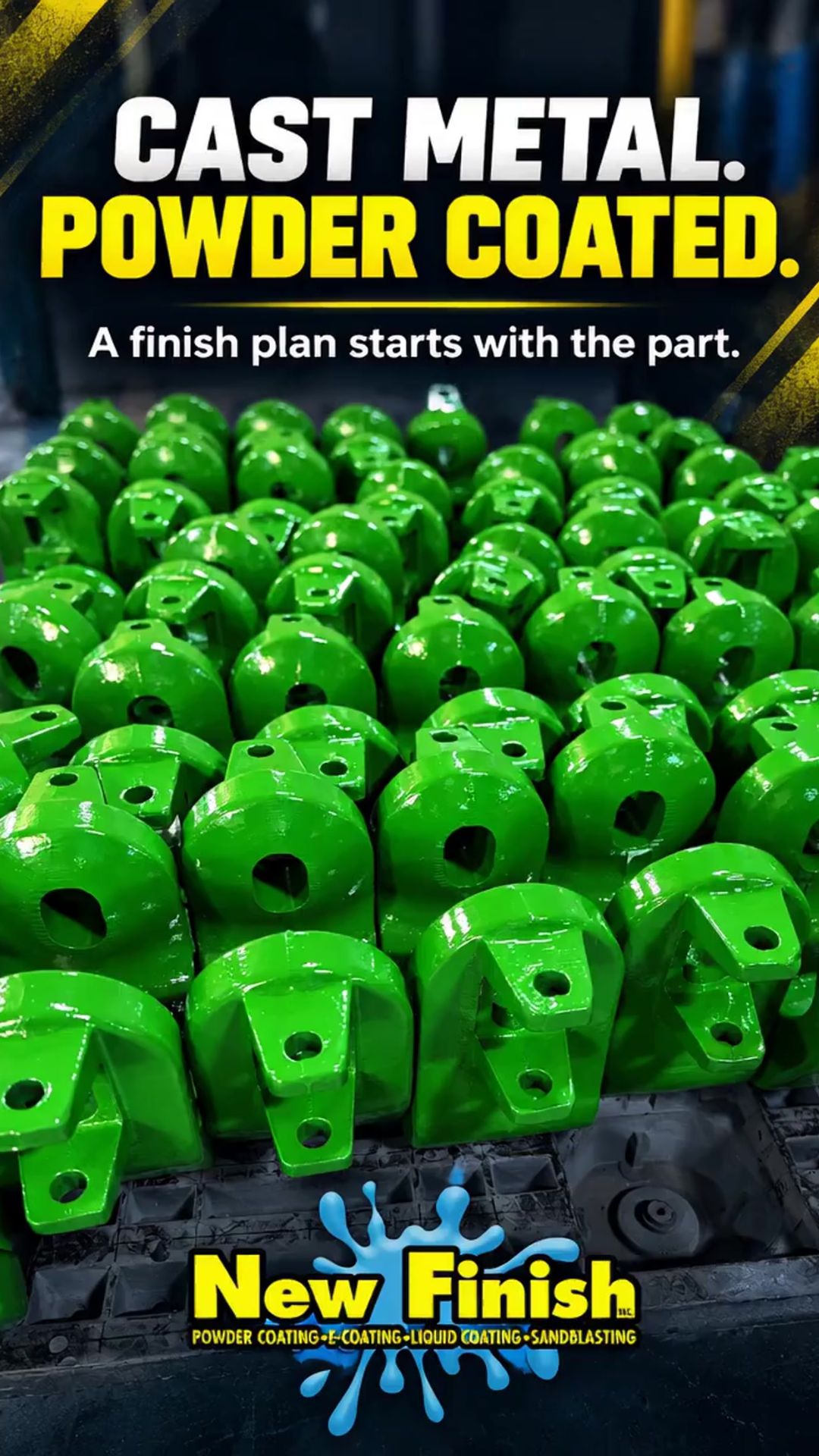
Powder Coating Cast Metal Parts: Planning for Porosity and Outgassing
Cast metal components can be strong, detailed, and well suited to demanding products. Before powder coating cast metal parts, however, manufacturers should share information about the substrate and its condition with their coating partner. Some castings may contain...
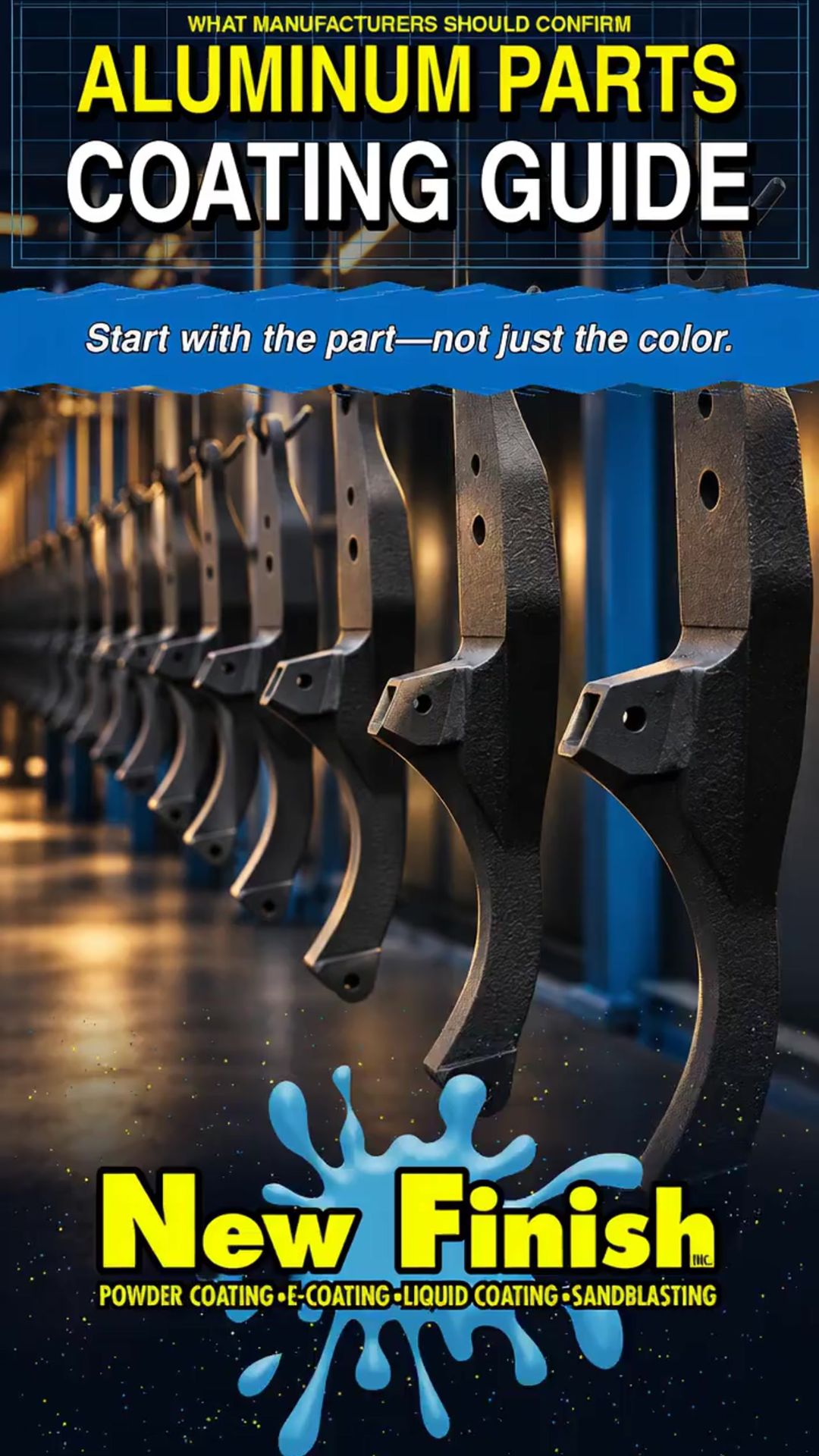
Coating Aluminum Parts: What Manufacturers Should Confirm Before Production
Aluminum parts are used in equipment, enclosures, frames, housings, and many other manufactured products. When a component needs a protective or decorative finish, the coating plan should account for the actual part—not just the color or coating name on a purchase...
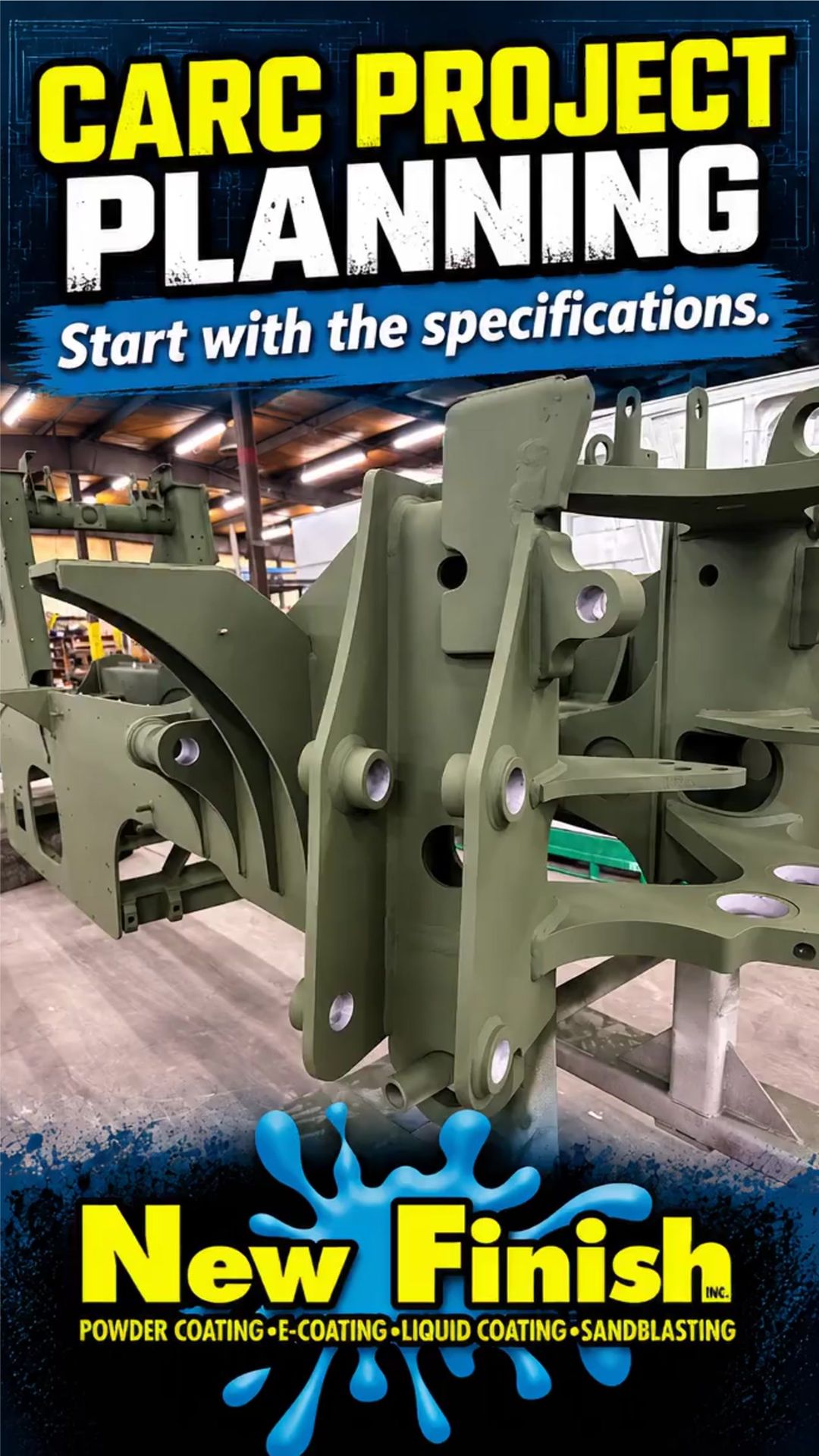
Planning a CARC Coating Project: What Defense Manufacturers Should Confirm
Planning a project that calls for Chemical Agent Resistant Coating (CARC) involves more than identifying a finish. Before parts enter production, manufacturers and coating partners need to understand which requirements apply to the specific equipment, components, and...
Professional Coating Services

Location
8353 Highway 52 South
Norwood, NC 28128

Call us
Phone: 704-474-4116
Fax: 704-474-0275
Industrial Coatings:
Commercial Painting Services
Services
New Finish, Inc. is focusing exclusively on commercial coating projects. As demand from our commercial and manufacturing customers has grown, we’re no longer accepting walk-in or individual drop-off coating jobs.
We’re grateful to everyone who has trusted us with their projects. Businesses looking for commercial coating services can contact us to discuss their needs and scheduling.
Learn more or get in touch: https://newfinishinc.com/contact/