by admin | Oct 22, 2026 | Commercial Masking, Industrial Coatings, Manufacturing Solutions, OEM Manufacturing, Powder Coatings, Serving NC, Serving SC, Serving VA, Surface Preparations
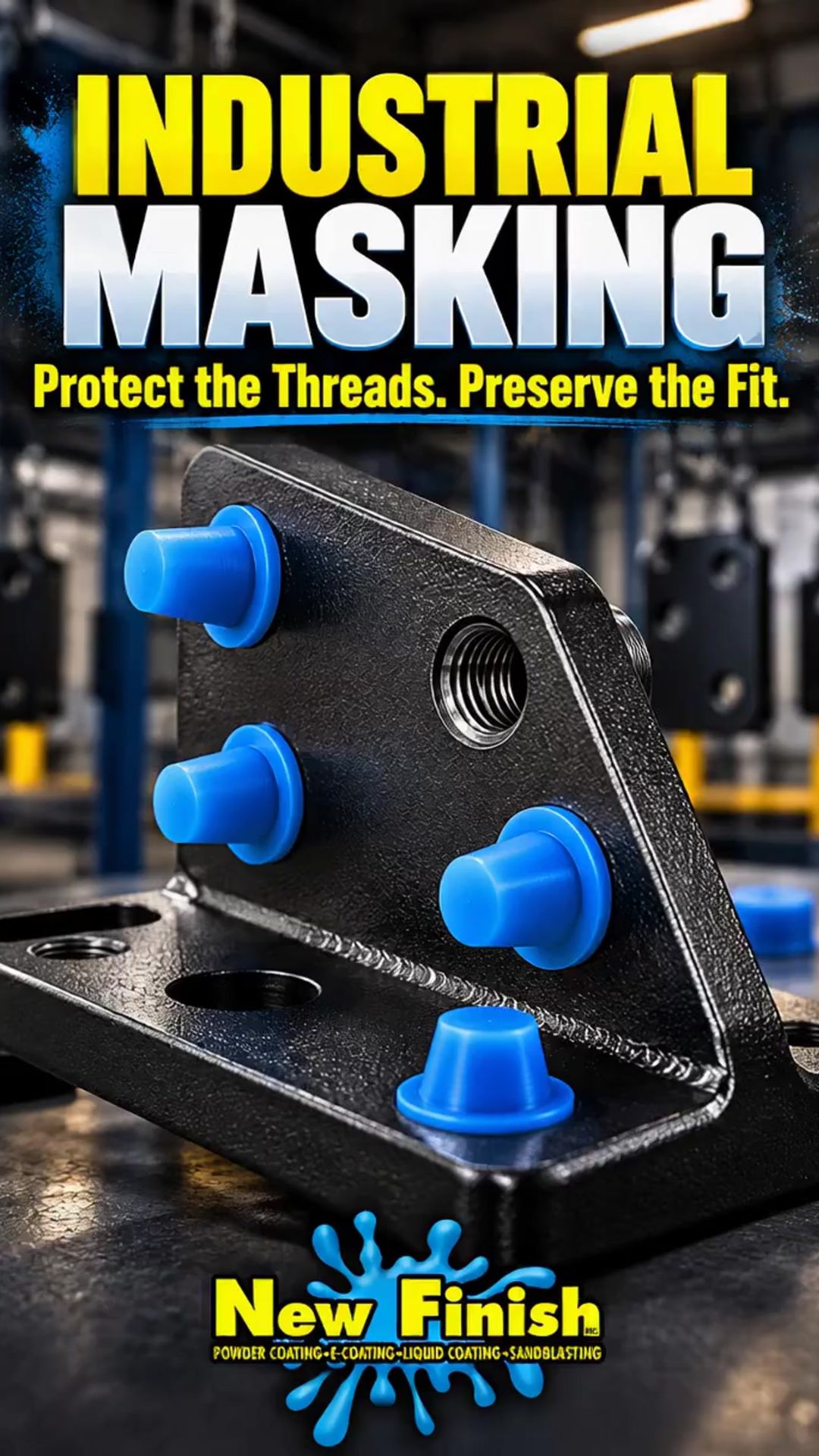
Industrial coating can protect a metal component and improve its appearance, but some features must meet specific requirements after finishing. Threads may need to remain clear for assembly. Mating surfaces may need a defined coating boundary. Electrical contact...
by admin | Oct 13, 2026 | Commercial Masking, E Coating Services, Industrial Coatings, Liquid Coatings, Manufacturing Solutions, Metal Coatings, Powder Coaters, Powder Coatings, Serving NC, Serving SC, Serving VA, Surface Preparations
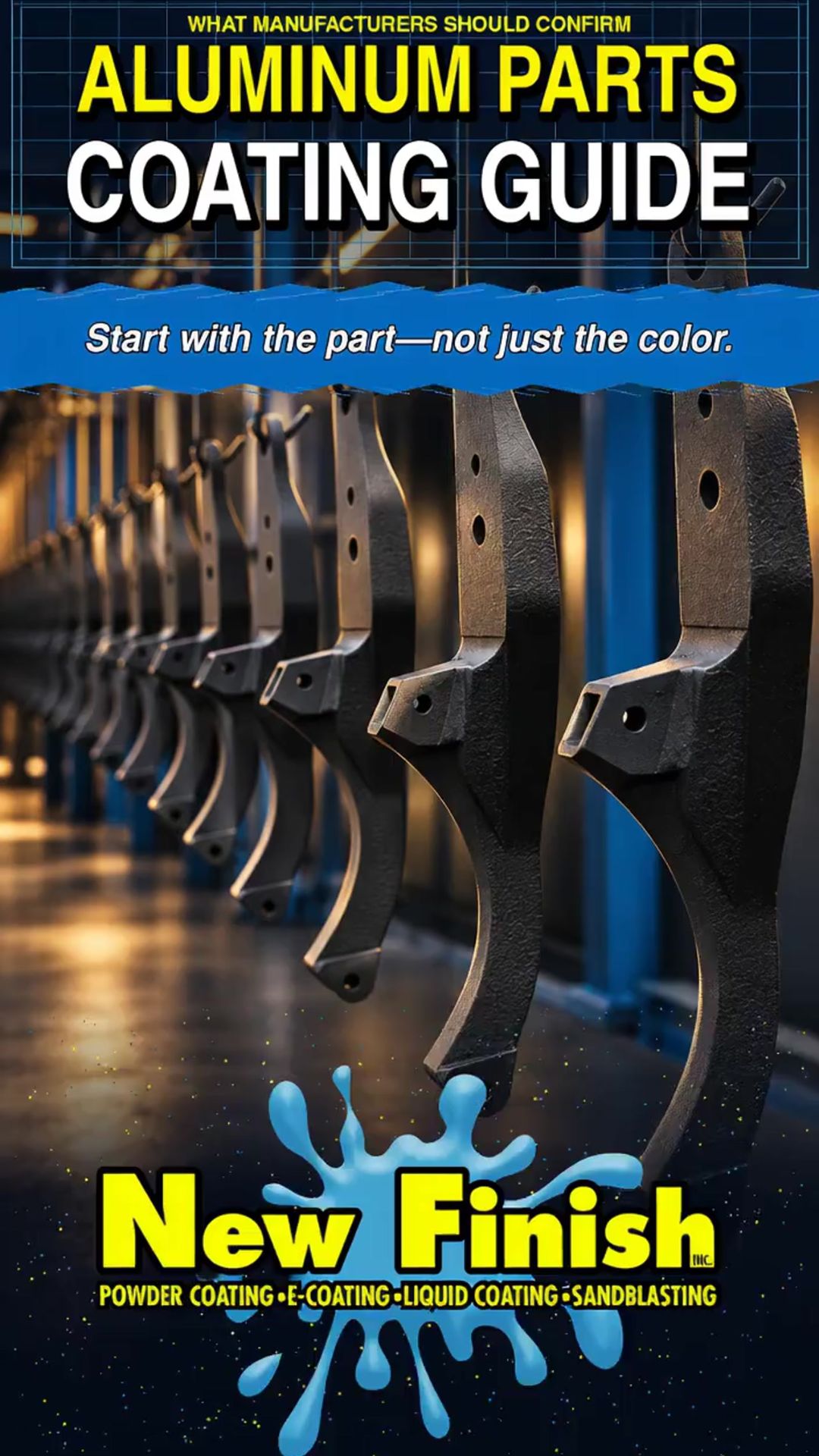
Aluminum parts are used in equipment, enclosures, frames, housings, and many other manufactured products. When a component needs a protective or decorative finish, the coating plan should account for the actual part—not just the color or coating name on a purchase...
by admin | Sep 18, 2026 | Advanced Coatings, Commercial Coatings, Commercial E-Coating, Commercial Masking, Commercial Powder Coating, Commercial Sandblasting, E Coating Services, Heavy Duty Industrial Coatings, Manufacturing Solutions, Serving NC, Serving SC, Serving VA
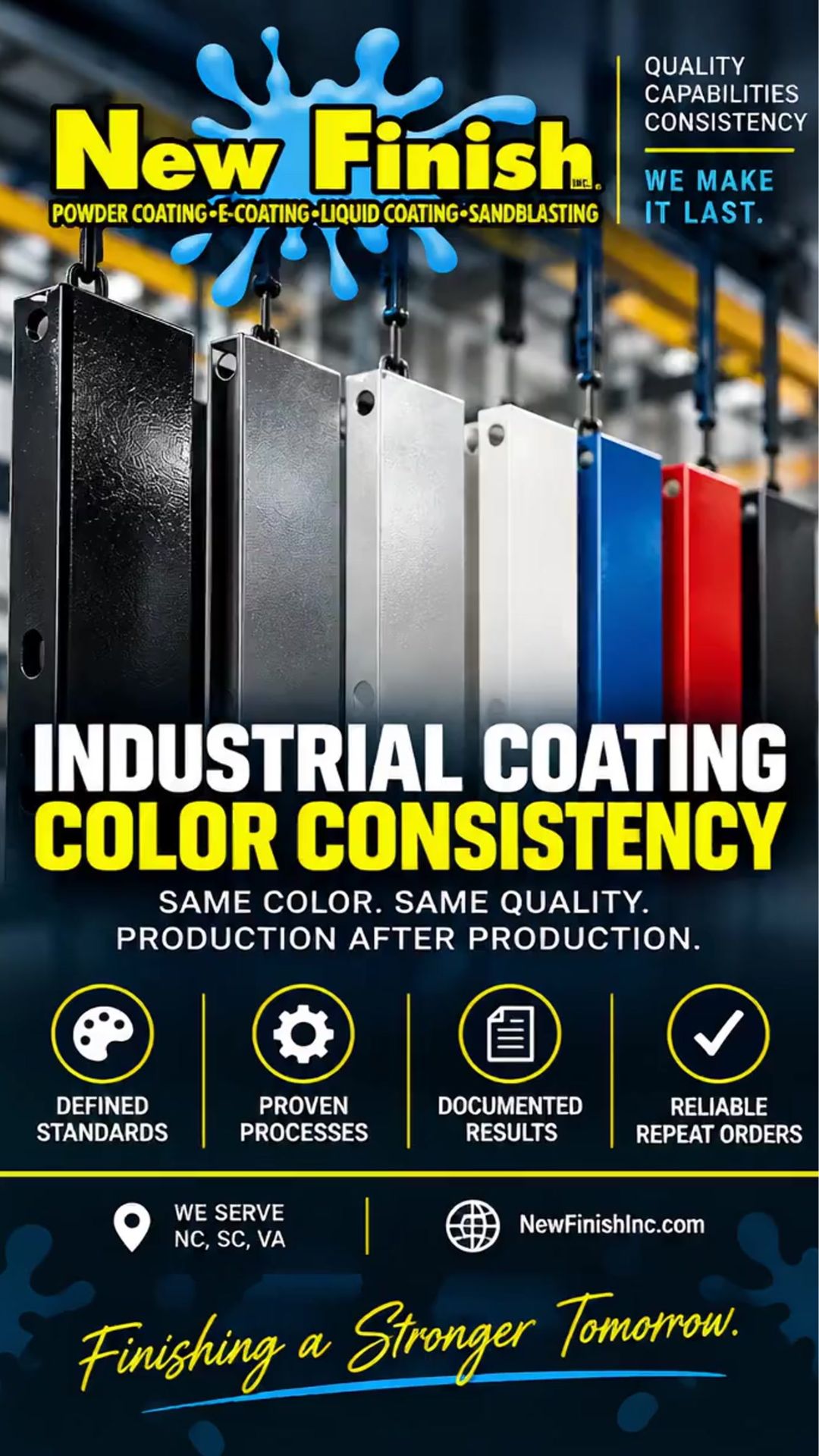
When coated metal components remain visible after assembly, color is an important part of the finished product. Manufacturers need more than one attractive part—they need a finish that remains consistent as additional batches move through production. Achieving...
by admin | Sep 1, 2026 | Commercial Masking, E Coating Services, Industrial Coatings, Liquid Coatings, Manufacturing Solutions, OEM Manufacturing, Powder Coatings, Serving NC, Serving SC, Serving VA, Surface Preparations
For manufacturers, coating requirements should be treated as part of the product specification—not as an afterthought once fabrication is complete. Clear industrial coating specifications help coating suppliers understand exactly what a finished part must look like,...
by admin | Aug 27, 2026 | Commercial Masking, E Coating Services, Industrial Coatings, Manufacturing Solutions, OEM Manufacturing, Powder Coatings, Serving NC, Serving SC, Serving VA, Surface Preparations
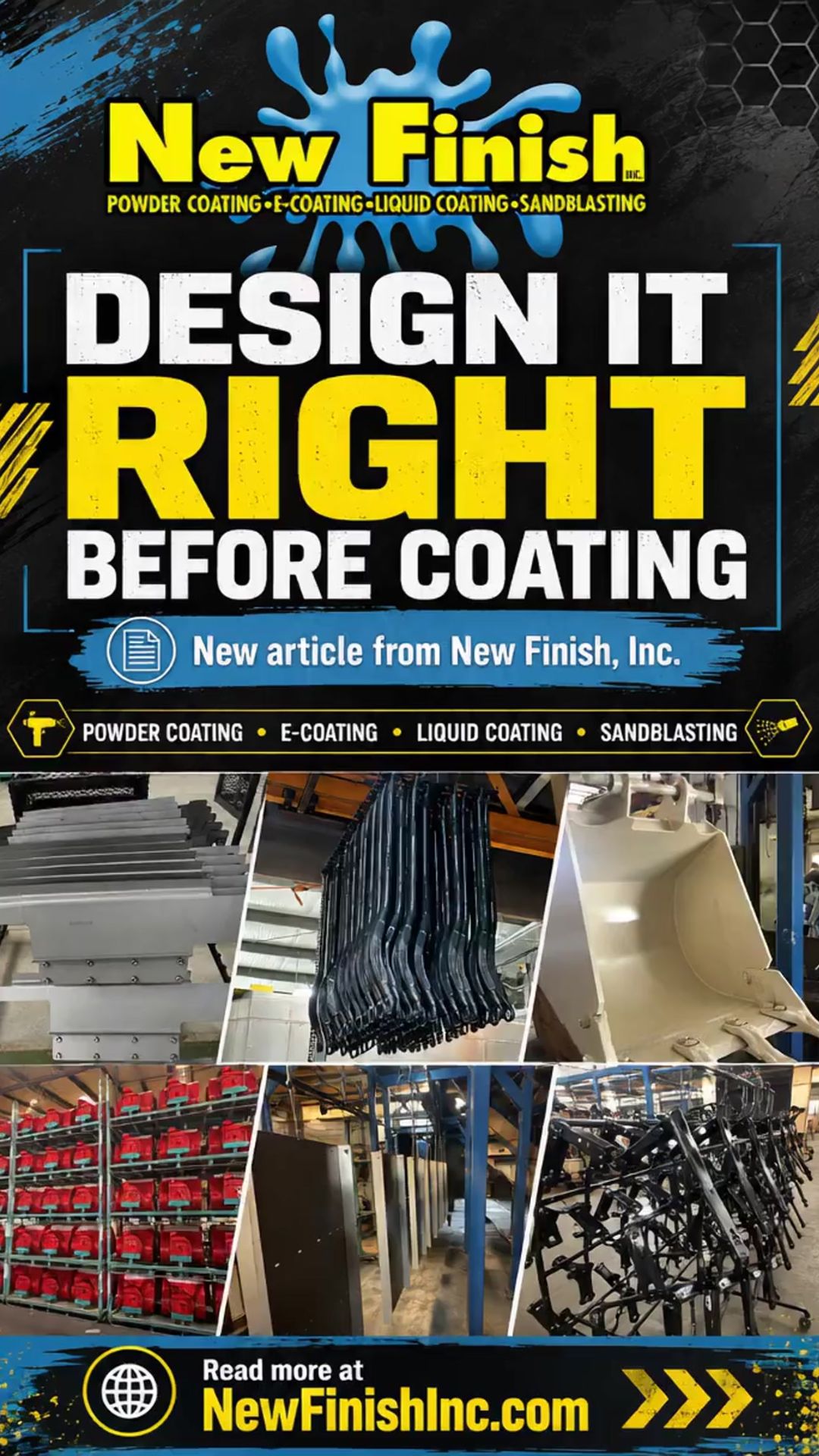
Industrial coating is often considered one of the final steps in manufacturing, but decisions made much earlier in the design and fabrication process can have a significant impact on coating quality, efficiency, cost, and production schedules. For OEMs and...
by admin | Aug 13, 2026 | Commercial Coatings, Commercial Masking, Commercial Sandblasting, Delivery Service, E Coating Services, Industrial Coatings, Liquid Coatings, Manufacturing Solutions, OEM Manufacturing, Powder Coatings
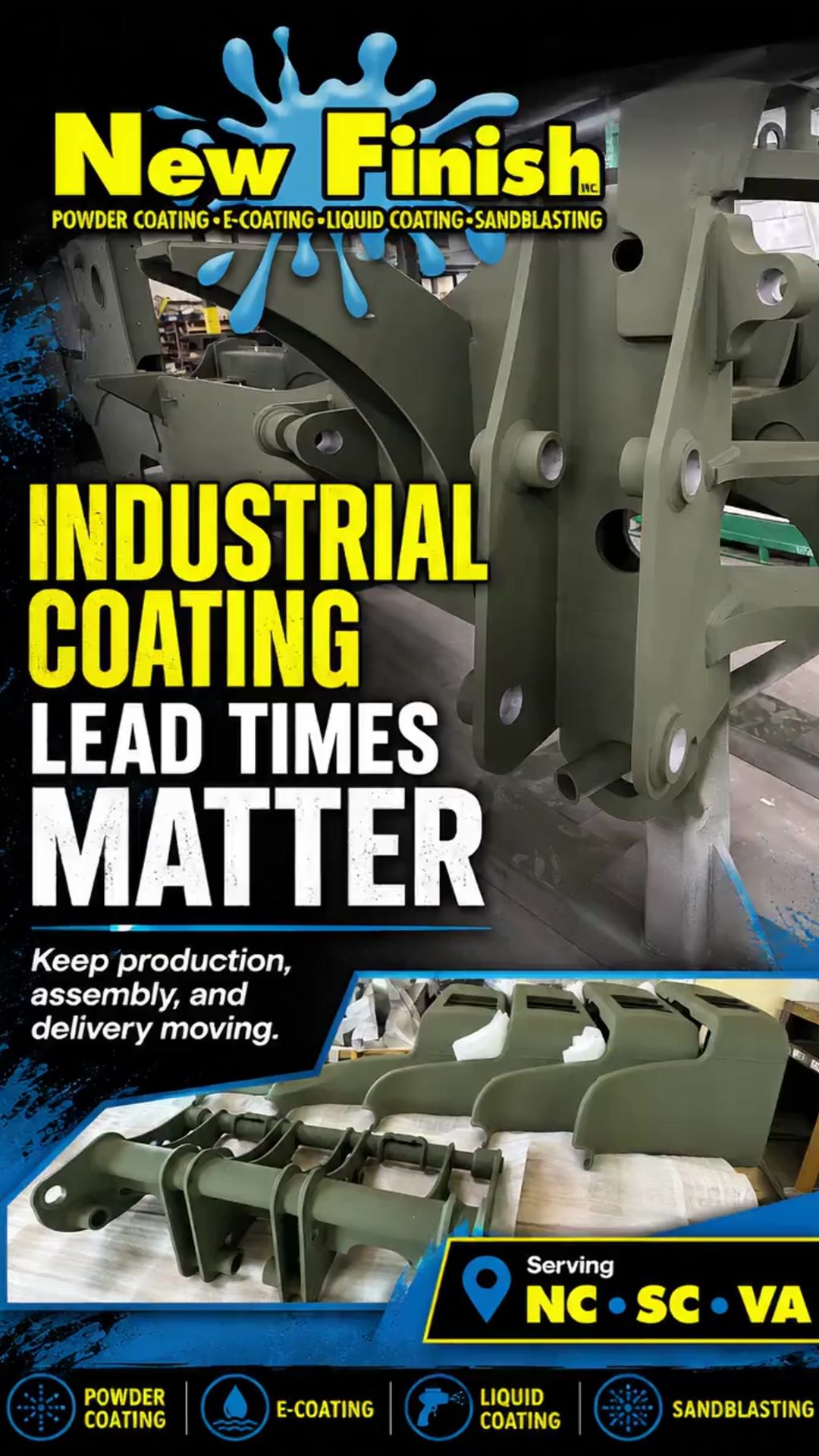
Manufacturing schedules depend on many different suppliers, processes, materials, and production steps working together at the right time. When fabricated metal parts require finishing, industrial coating services become an important part of that production schedule....