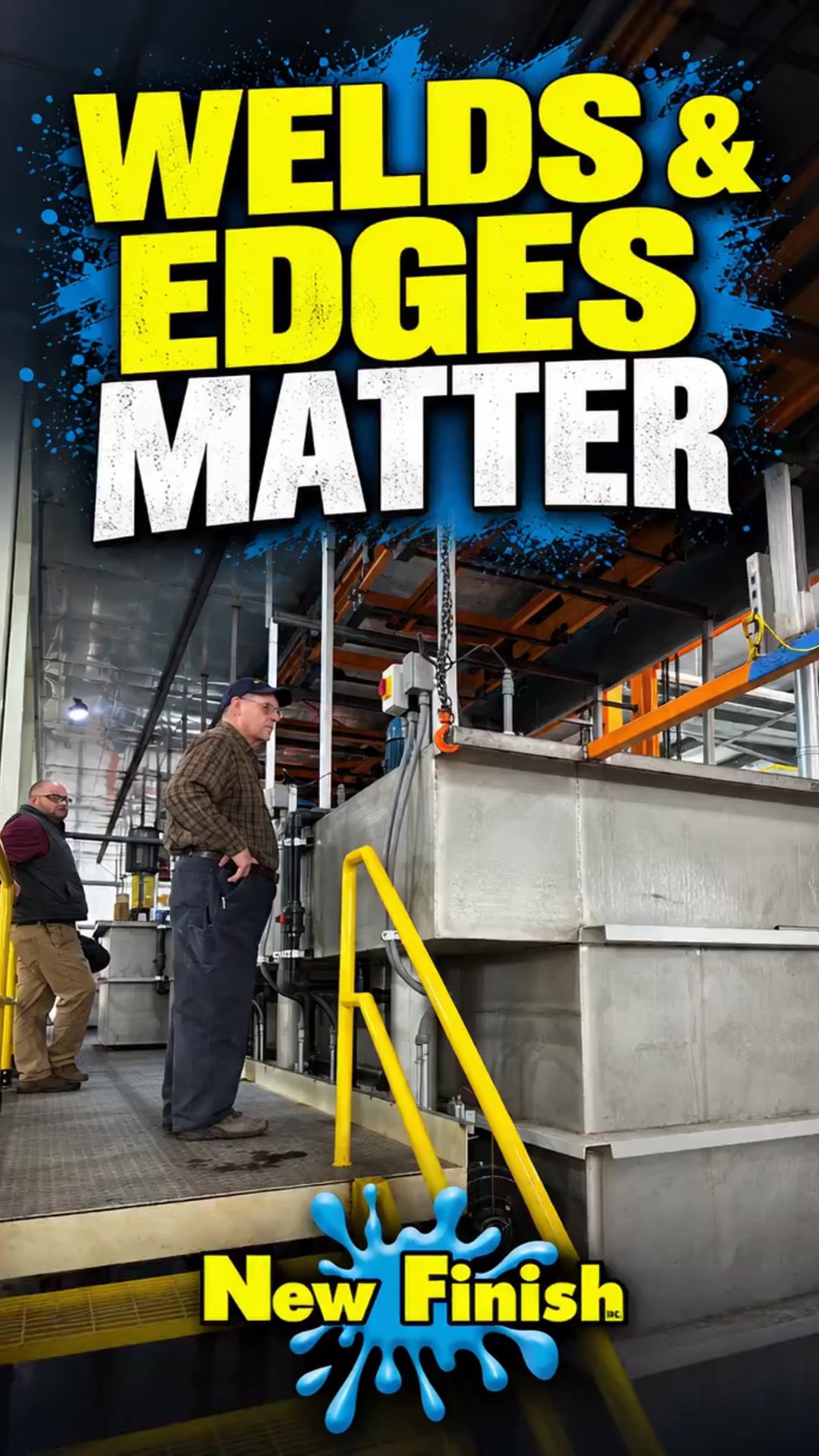
by admin | Oct 29, 2026 | Industrial Coatings, Manufacturing Solutions, Quality Control, Serving NC, Serving SC, Serving VA, Surface Preparations
Coating welded steel parts requires attention to more than the broad, flat surfaces. Welds, edges, corners, and crevices can affect how a coating is applied and how consistently it covers a fabricated component. Reviewing these details before production gives the...
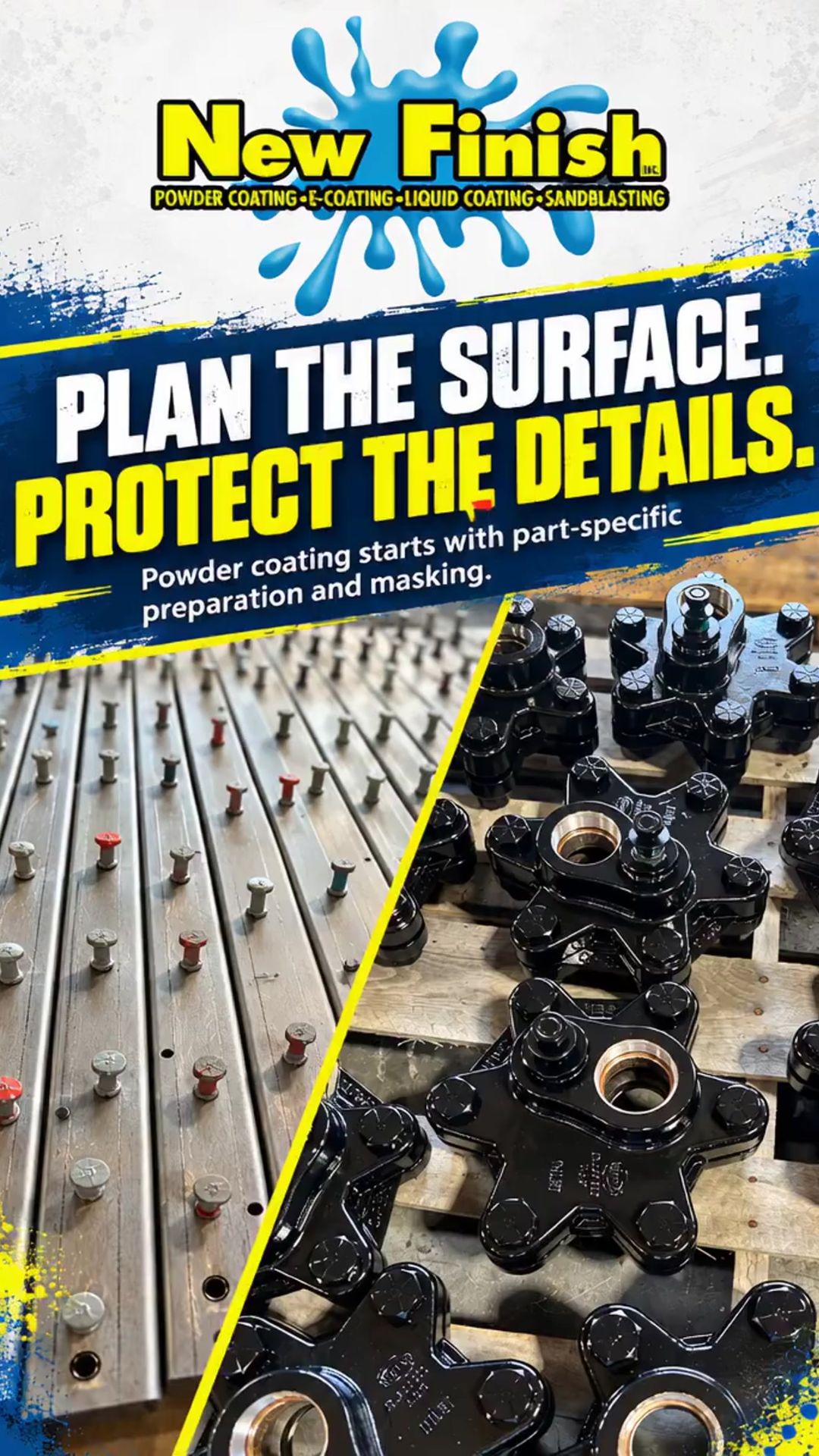
by admin | Oct 27, 2026 | Industrial Coatings, Powder Coatings, Serving NC, Serving SC, Serving VA, Surface Preparations
Hot-dip galvanized steel is often selected for its corrosion protection. Adding a powder-coated finish can provide another layer of protection and a specific color or appearance. This combination is commonly called a duplex system. For manufacturers considering powder...
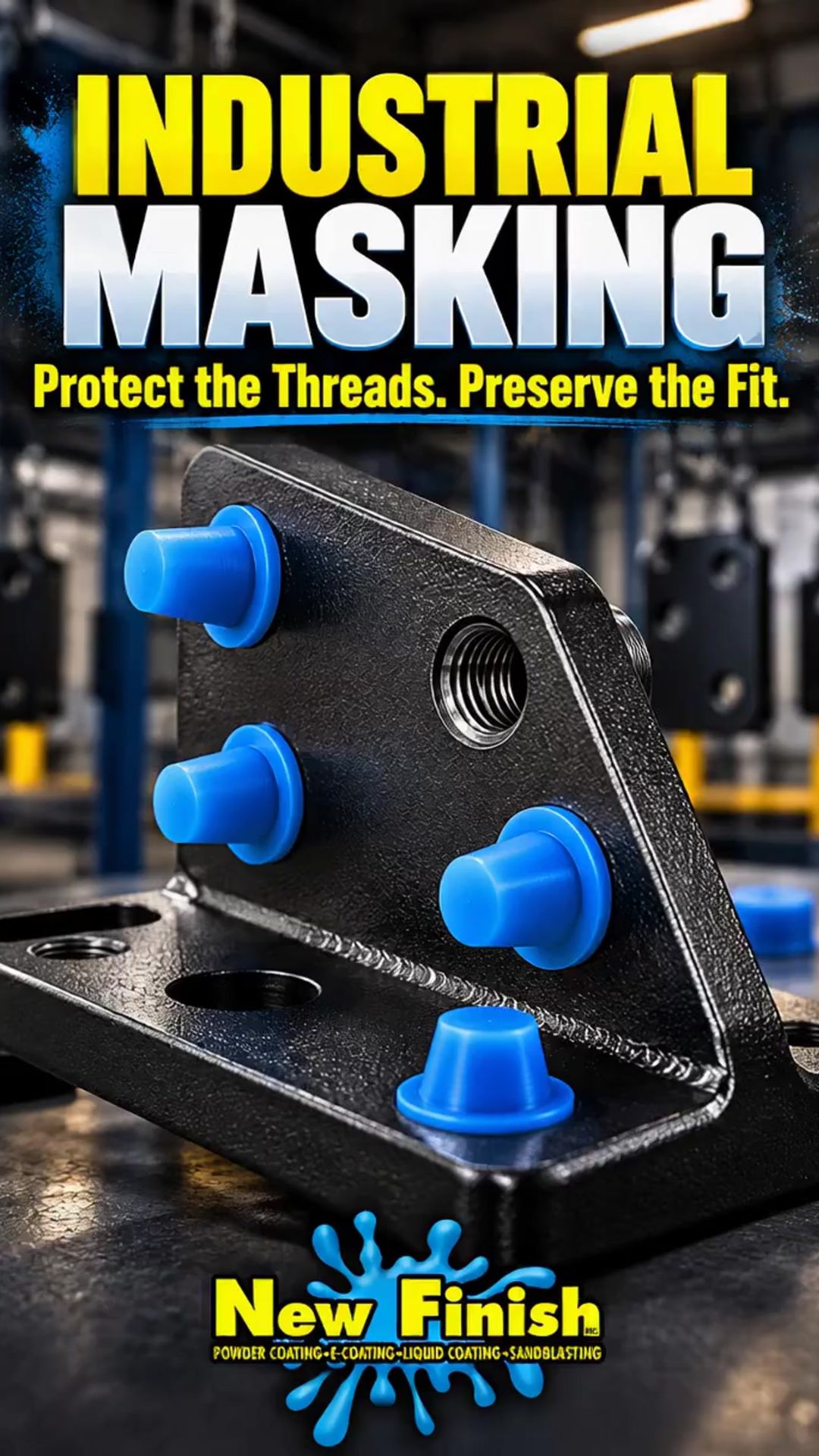
by admin | Oct 22, 2026 | Commercial Masking, Industrial Coatings, Manufacturing Solutions, OEM Manufacturing, Powder Coatings, Serving NC, Serving SC, Serving VA, Surface Preparations
Industrial coating can protect a metal component and improve its appearance, but some features must meet specific requirements after finishing. Threads may need to remain clear for assembly. Mating surfaces may need a defined coating boundary. Electrical contact...
by admin | Oct 13, 2026 | Commercial Masking, E Coating Services, Industrial Coatings, Liquid Coatings, Manufacturing Solutions, Metal Coatings, Powder Coaters, Powder Coatings, Serving NC, Serving SC, Serving VA, Surface Preparations
Aluminum parts are used in equipment, enclosures, frames, housings, and many other manufactured products. When a component needs a protective or decorative finish, the coating plan should account for the actual part—not just the color or coating name on a purchase...
by admin | Sep 9, 2026 | E Coating Services, Industrial Coatings, Liquid Coatings, Manufacturing Solutions, OEM Manufacturing, Powder Coatings, Surface Preparations
For manufacturers, getting one metal part coated correctly is important. Getting hundreds or thousands of parts finished consistently is where an industrial coating partner really proves its value. Whether a manufacturer needs powder coating, e-coating, liquid...
by admin | Sep 1, 2026 | Commercial Masking, E Coating Services, Industrial Coatings, Liquid Coatings, Manufacturing Solutions, OEM Manufacturing, Powder Coatings, Serving NC, Serving SC, Serving VA, Surface Preparations
For manufacturers, coating requirements should be treated as part of the product specification—not as an afterthought once fabrication is complete. Clear industrial coating specifications help coating suppliers understand exactly what a finished part must look like,...